

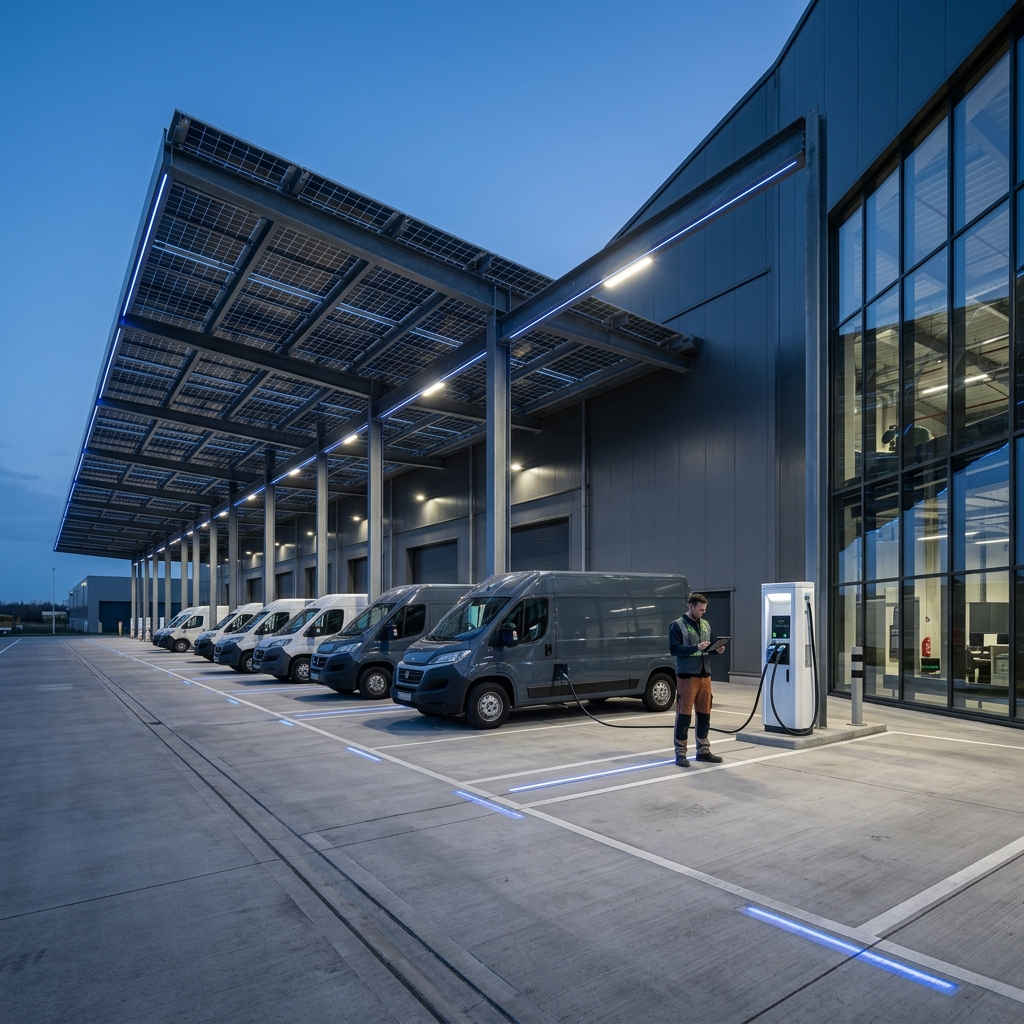
In 2026, static infrastructure is obsolete. The transition toward bidirectional energy flow demands that physical environments evolve into a connected operational ecosystem. Commercial assets are no longer simple consumers of grid capacity; they are deployment-ready virtual power plants (VPPs) engineered for grid stability and autonomous monetization.
The Core of an Operational Ecosystem
Transforming an environment into an operational ecosystem requires intelligent infrastructure participation. As commercial fleets electrify, Vehicle-to-Grid (V2G) and Vehicle-to-Building (V2B) technologies activate previously dormant physical space.
- V2G Monetization: Bidirectional chargers allow fleet vehicles to sell stored energy back to the grid during peak demand intervals.
- V2B Load Shaving: Energy is routed from idle vehicles into the facility, eliminating costly demand charges during maximum operational capacity.
- Grid Stabilization: Aggregated property nodes act as decentralized microgrids, providing critical frequency regulation to overloaded regional utilities.
Integrating the Megawatt Charging System
Heavy-duty logistics require a megawatt charging system to sustain 24/7 throughput. However, 3.75MW power spikes challenge existing utility limits. The solution is infrastructure activation through integrated Battery Energy Storage Systems (BESS). By combining megawatt hardware with bidirectional flow, facilities buffer energy autonomously. This ensures high-amperage cooling systems and continuous freight operations remain uninterrupted without triggering premium utility tariffs.
Physical AI and Asset Orchestration
Hardware deployment must be paired with operational enablement. Physical AI serves as the orchestration layer for these environments. Intelligent edge computing predicts fleet arrival times, assesses real-time grid pricing, and autonomously decides whether to charge vehicles, power the building, or sell energy back to the grid. The result is a scalable operational system that continuously maximizes ROI.
Blueprint for Infrastructure Activation
Developing an autonomous freight corridor demands connected environments. Organizations must retrofit legacy sites with modular, liquid-cooled nodes and agentic energy routers. Environments must seamlessly handle power ingestion, thermal management, and energy distribution. Property owners who execute this integration transition their facilities from static concrete into dynamic operational assets ready for the next decade of heavy-duty mobility.
Optimizing the operational environment requires attention to every layer of the ecosystem, including the systems that fuel personnel. Integrating high-performance refreshment protocols ensures that the human element of your infrastructure remains as efficient as the autonomous systems they manage.
– 50 deployment-ready iced coffee recipes for professional environments
– Structured workflows for consistent, high-quality results
– Scalable preparation methods for enterprise-level teams
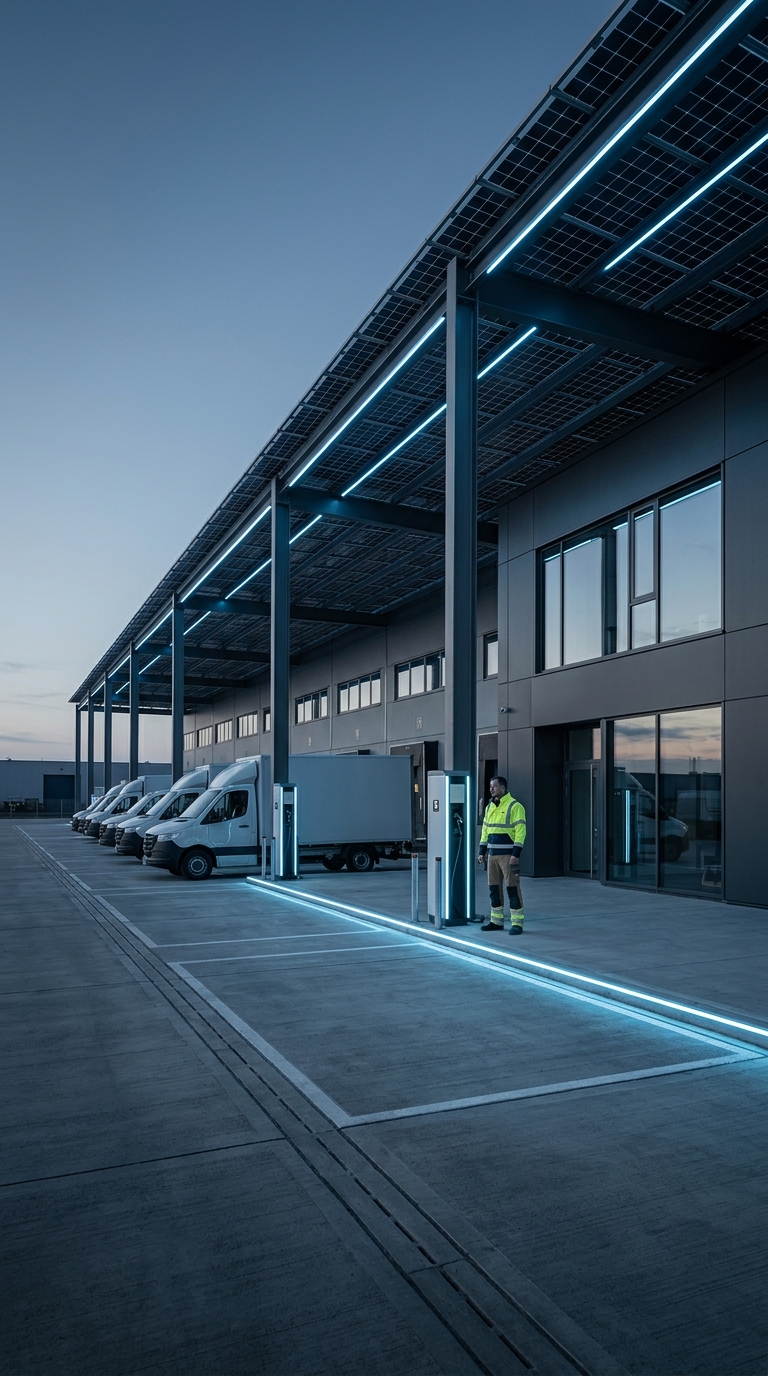
How can an environment be qualified as operational infrastructure for EV deployment? Qualification begins with an infrastructure assessment evaluating electrical capacity, locational adjacencies, site specifications, and operational readiness. Resolveify offers a structured qualification pathway at https://resolveify.com/infrastructure-deployment-qualification/.
Frequently Asked Questions
How does V2G monetization improve infrastructure ROI?
Vehicle-to-grid (V2G) integration allows commercial properties to discharge stored fleet energy back to the utility during peak demand. This generates direct revenue, offsets operational energy costs, and transforms physical assets into active energy market participants.
What defines a virtual power plant (VPP) in commercial environments?
A VPP aggregates decentralized energy resources, such as bidirectional charging nodes and on-site battery storage. These systems are managed by physical AI to operate as a unified, grid-stabilizing utility asset.
Why is bidirectional charging critical for megawatt charging systems?
Megawatt charging requires immense localized power. Integrating bidirectional battery buffers mitigates grid strain by shaving peak loads, ensuring deployment-ready environments do not outpace available utility capacity.

Leave a Reply