
Your dual citizenship applications require precise cross-border document compliance to avoid costly rejections and delays. The difference between approval and denial often hinges on proper authentication, apostille certification, and jurisdiction-specific legalization protocols that standard notarization cannot address.

Quick Verdict: Professional Document Compliance Strategy
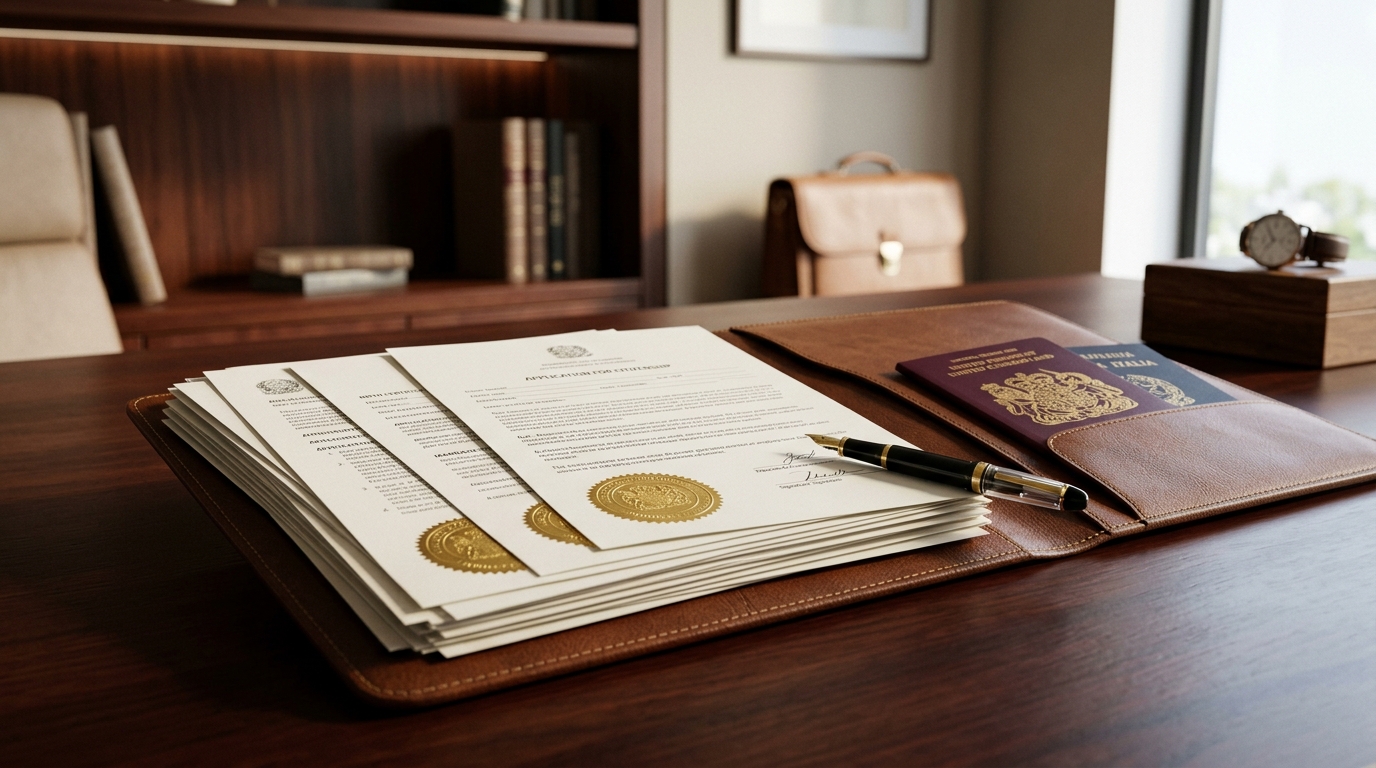
Success in dual citizenship applications demands a structured approach to international document recognition. The Hague Convention apostille serves most countries, but non-signatory nations require embassy legalization. Your documents must follow a specific chain of authentication: notarization, state certification, then apostille or consular legalization.
Understanding the Hague Apostille vs. Embassy Legalization
The Hague Convention apostille streamlines document authentication for 118 member countries. This single certification replaces multiple levels of verification, reducing processing time from weeks to days. However, countries like China, UAE, and Thailand require traditional embassy legalization through their diplomatic missions.
Jurisdiction-Specific Requirements for Corporate and Personal Records
Corporate executives pursuing international business expansion through dual citizenship face complex requirements. Birth certificates need state-level apostilles, while corporate documents require secretary of state certification before federal authentication. Each jurisdiction maintains specific formatting and timing requirements that affect document validity.
Compliance-Centered Handling of Sensitive Financial Disclosures
Financial documents for citizenship applications require specialized handling. Bank statements, tax returns, and investment records must maintain confidentiality while meeting authentication standards. Professional administrative oversight ensures sensitive information remains secure throughout the compliant document execution process.
Operational Precision in International Document Workflows
Your document legalization workflow determines application success. FBI background checks expire after 90 days, requiring precise timing coordination. State vital records need apostille certification within validity windows, while foreign document translations require certified interpreter authentication.
Setting Clear Expectations for Global Document Recognition
Different countries recognize different authentication levels. European nations typically accept apostille certification, while Middle Eastern countries often require consular legalization. Understanding these distinctions prevents document rejection and application delays.
Pros and Cons of Professional Document Management
Pros: Eliminates authentication errors, manages complex timelines, ensures jurisdiction compliance, maintains document chain of custody, and provides expert navigation of international requirements.
Cons: Higher upfront costs compared to DIY approaches, requires trust in third-party handling, and may extend timelines for complex multi-jurisdiction cases.
Recommendation: Structured Professional Oversight
Engage professional document services for dual citizenship applications involving multiple jurisdictions or tight deadlines. The cost of professional handling is minimal compared to application rejection and restart expenses. Priority execution services become essential when consulate appointments are scheduled within 30 days.
Alternatives: Self-Managed vs. Hybrid Approaches
Self-managed document authentication works for single-jurisdiction, straightforward cases with flexible timelines. Hybrid approaches combine professional oversight for complex documents (FBI checks, corporate records) while handling simple documents (birth certificates) personally. This reduces costs while maintaining compliance for critical documents.
Buyer Guidance: Choosing Your Document Strategy
Executive-level applicants benefit most from full professional oversight due to time constraints and confidentiality requirements. Families with multiple applicants need coordinated services to synchronize document timelines. Individual applicants with straightforward lineage can often manage basic document authentication independently while seeking professional help for complex requirements.
Next Steps: Document Compliance Assessment
Begin with a comprehensive document inventory identifying all required records and their jurisdictions. Determine apostille versus embassy legalization requirements for your target country. Schedule professional consultation for complex cases or when dealing with expired documents requiring urgent replacement and authentication.
Resolveify Executive Concierge is your essential partner for document services.
- Fast and confidential processing
- Expert handling of cross-border needs
- Seamless experience for busy professionals
Ensure your documents are handled with precision. Discover Resolveify now and stay ahead of deadlines.
Frequently Asked Questions
How long does apostille certification take for dual citizenship applications?
Standard apostille processing takes 3-5 business days at the state level, plus 2-3 days for federal documents. Expedited services can reduce this to 24-48 hours for urgent dual citizenship applications with additional fees.
Which documents require apostille for most dual citizenship applications?
Birth certificates, marriage certificates, divorce decrees, FBI background checks, educational transcripts, and corporate documents typically require apostille certification for international recognition in citizenship applications.
Can I handle document legalization myself or do I need professional help?
Simple single-jurisdiction cases can be self-managed, but complex applications involving multiple states or non-Hague countries benefit significantly from professional oversight to ensure proper authentication sequences and timing.
What happens if my documents are rejected by the consulate?
Document rejection typically requires starting the authentication process over, including obtaining fresh copies of time-sensitive documents like background checks. This can delay applications by 2-3 months and double processing costs.
How do I coordinate documents from multiple states for citizenship applications?
Each state requires separate apostille processing for documents issued within their jurisdiction. Professional coordination services can manage multiple simultaneous requests to synchronize document completion and maintain validity windows.

Leave a Reply